
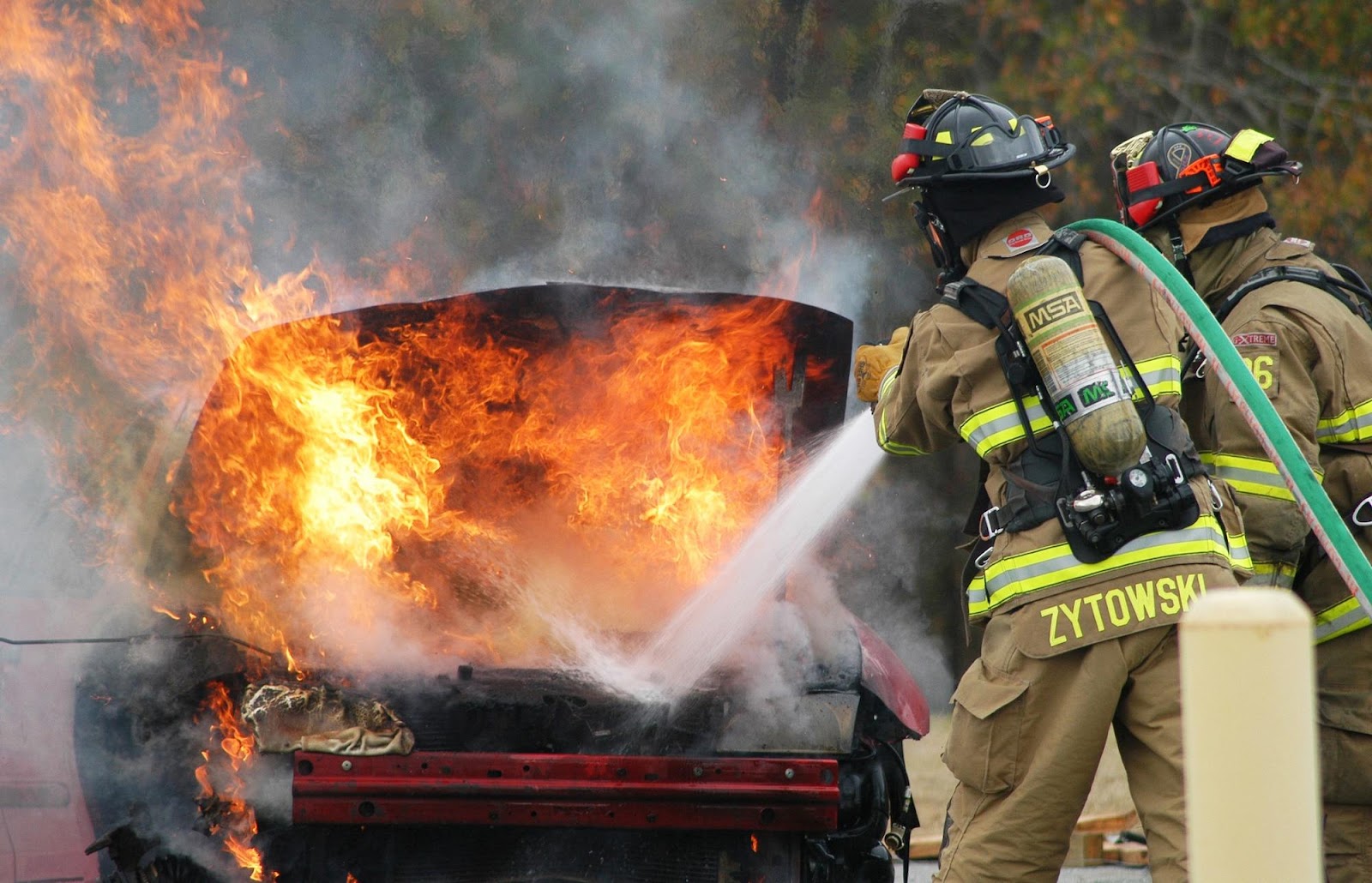
Unexpected fire protection problems can place an active property under immediate safety pressure. Coordinating immediate safety measureswithemergency fire watch Atlanta across active facilities explains how organized monitoring can support people and property when normal protection equipment becomes unavailable. Using emergency fire watch Atlanta during these situations provides focused observation while repairs or inspections are underway. Trained personnel can patrol assigned sections and identify visible hazards before conditions become more serious. Clear communication also helps managers keep workers and occupants informed about temporary procedures. A planned response supports steady oversight until standard protective equipment returns to normal operation.
Rapid Response During Equipment Failure
Fire alarms, sprinklers, or other protective equipment may stop working without much warning.
Property managers should respond quickly by identifying affected sections and arranging temporary monitoring.
Assigned personnel can begin regular patrols while technical teams investigate the equipment problem.
This approach reduces gaps in observation and supports orderly activity throughout the affected property.
Duties During Temporary Safety Coverage
Fire watch personnel need clear duties before they begin monitoring an active facility.Defined responsibilities help each patrol remain focused, consistent, and easy to document.
- Inspect assigned building sections according to the established patrol schedule.
- Watch carefully for smoke, flames, heat, or unusual burning odours.
- Keep exits and emergency routes clear throughout every scheduled round.
- Report damaged equipment or unsafe conditions to responsible facility managers.
- Maintain accurate written records showing patrol times and observed conditions.
- Know how to contact emergency responders when immediate assistance becomes necessary.
- Check storage and work areas for visible ignition concerns regularly.
- Share important observations with incoming personnel during every shift change.
Communication Keeps Facility Teams Prepared
Clear communication allows managers, workers, and monitoring personnel to understand temporary safety arrangements.
Staff members should know which protection system is affected and what procedures apply during the interruption.
Changes in building conditions should be reported quickly so monitoring plans can be adjusted when necessary.
Regular updates also reduce confusion when several teams are working inside the same property during repairs.
How Does Fire Watch Support Active Facilities?
Temporary monitoring creates a direct human presence when automatic protection equipment cannot provide its normal level of coverage. Personnel move through designated sections, observe current conditions, document each round, and report concerns that require attention. This organized process helps management maintain awareness while normal business or work activities continue.
During an unexpected interruption, facility leaders may use emergency fire watch Atlanta as part of a broader temporary response plan until affected equipment is repaired. Continuous observation supports faster reporting of suspicious conditions. It also gives workers clear points of contact when they notice smoke, blocked exits, damaged devices, or other immediate concerns.
Managing Movement Around Active Work Areas
Busy facilities may contain workers, contractors, visitors, equipment, and changing work zones throughout the day.
Monitoring personnel should understand these movements so patrol routes cover occupied and higher-attention sections effectively.
Managers can update assigned routes whenever construction, maintenance, deliveries, or temporary closures change normal building activity.
Restoring Normal Protection with Care
Temporary monitoring should continue until responsible parties confirm that affected protection equipment is ready for normal use.
Managers should avoid ending patrol coverage simply because repair work appears complete.
Testing, documentation, and communication may still be required before regular procedures fully resume.
A careful transition helps prevent an unplanned coverage gap between temporary observation and restored automatic protection.
Steady Oversight Builds Facility Readiness
Consistent patrol activity gives property teams greater control during unexpected protection interruptions.Detailed records provide a useful account of observations, reported concerns, completed rounds, and response actions.Strong coordination allows occupants, managers, and assigned personnel to maintain orderly procedures throughout temporary disruptions.
Coordinating immediate safety measures withemergency fire watch Atlanta across active facilities highlights the value of structured human observation when installed safeguards are temporarily unavailable.Prepared teams can maintain dependable oversight until every affected protective component has been properly restored.