
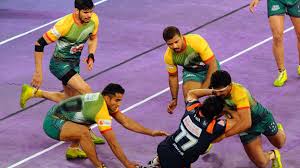
Kabaddi moves fast: a raid lasts seconds, momentum flips with one ankle hold, and odds shift in real time. If you want your bets to hold up under that pressure, you need a clear routine for reading prices, not a hunch. Think roles, phases, and discipline. The market rewards bettors who can turn what they see on the mat into numbers they’re willing to back.
Before you stake anything, scan a compact primer on pricing and markets – kabaddi live betting is a solid launchpad. It’ll help you map which lines react to raid efficiency, which move on cards, and how team totals behave when a defense starts overcommitting. Bring those notes into the app and you’ll recognize soft spots faster.
Start with roles, not headlines
Kabaddi odds reflect who carries raids and who anchors tackles. Identify the lead raider, secondary raider, corners (left/right), and covers. Ask two questions: Who takes do-or-die raids? Which corner is most aggressive off the line? A team missing a primary corner or resting an all-rounder often looks fine on the moneyline but fragile in props like “top raider points” or “successful tackles.” Prices can lag a few minutes after lineups lock; that’s your window.
Read the first 10 minutes like a report
Early sequences reveal more than a pre-match graphic. Watch raid efficiency, not just attempts. A raider taking five empty trips might still look busy; the market sometimes overprices “activity” and underprices “conversion.” On defense, two advanced tackles from the same corner in the opening exchanges often signal cheap points for the opponent’s lead raider. When you see repeatable behavior – not a single super raid – consider props aligned with that pattern.
Break the match into phases
Kabaddi has a natural rhythm: feel-out, pressure, fatigue. Treat your analysis accordingly.
- Feel-out (first 5–7 minutes): Teams probe. If a side repeatedly gifts bonus points, unders on team tackle totals can make sense for a short window.
- Pressure (mid-half and post-halftime): Do-or-die raids stack. Some players thrive here; others force errors. Track who gets the call and how coaches rotate.
- Fatigue (final minutes): Card risk, quicker dashes, and chain tackles decide swings. Teams protecting a slim lead favor safe, low-yield raids; teams chasing invite super-tackle chances. Adjust totals, not just winners.
Context that actually moves prices
Venue grip changes ankle-hold reliability. A slick mat hurts dash timing; firm edges help heavy-chain teams. Referee tendencies matter: tight bonus lines reduce easy single-point raids and lift the value of tackles; generous bonuses do the reverse. Also watch substitutions – if a backup corner enters cold, opposing raiders test that edge immediately. Odds don’t always catch up on the next raid; you may get a beat or two to act.
Build a small, repeatable playbook
Your edge grows when your actions are scripted before emotions spike. A simple template:
- Unit size stays small – one to two percent of session bankroll per bet.
- Two hard stops – one for loss, one for profit – end the session either way.
- One or two lanes per match (e.g., team handicap + top raider points).
- Entries require a trigger you can explain in a sentence: “Left corner committed two advanced tackles in three raids; lean over on rival lead raider points for the next five minutes.”
Pre-match vs. in-play: different jobs
Use pre-match for broad views: form across the last three fixtures, raid success against similar defenses, expected roles. Place core positions (match line/handicap, conservative totals) only when you have clear alignment. Use in-play for precision: after you see real grip for a leg-tackle unit or repeated bonus generosity, take small, time-boxed props – two to three entries, then reassess. Don’t spray bets every raid; you’re hunting repeatable edges, not collecting tickets.
Avoid the traps that drain good reads
Chasing a single super raid is the classic mistake; let the next two raids confirm whether the defense is cracked or it was a one-off. Stake creep after a miss turns solid analysis into a bad session – keep the unit constant. Over-diversifying props dilutes any advantage; five tiny bets across unrelated markets usually leak value. Finally, ignoring cards is costly: a two-minute suspension reshuffles a defense and can flip totals; reprice immediately.
Turn observations into outcomes
Write three prompts before kickoff: “If bonus is easy, fade tackle props; if corners dash early, back rival raider points; if do-or-die success drops below 30%, lean unders on team raid totals.” During time-outs and halftime, review: are those conditions live? If yes, act with your pre-defined unit. If not, pass. After the match, note one lesson (good or bad) you’ll apply next time. Those notes compound into faster, calmer decisions when the next whistle blows.
Final word
Analyzing kabaddi odds isn’t about fortune – it’s about discipline: roles first, early signals second, phase-based entries third. Keep your unit small, your triggers clear, and your exits non-negotiable. Use the primer at kabaddi live betting to refresh how markets react, then let what you see on the mat guide what you’re willing to price. Do that consistently, and your results will look less like luck and more like a plan that survives pressure.