
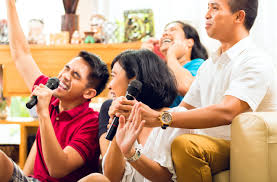
If there is one sound that defines Filipino nights, it is the voice of someone singing. Whether in a neon-lit karaoke bar, a street corner with a rented sound system, or a private room among friends, karaoke—known locally as videoke—is the heartbeat of the Philippines Nightlife (필리핀 밤문화). It is joyful, unpretentious, and deeply social, reflecting a culture where music and togetherness are inseparable.
1) A tradition woven into daily life
For Filipinos, singing is not a performance—it’s participation. Karaoke is part of family gatherings, birthdays, work celebrations, and even casual nights at home. Every neighborhood has its favorite spot, and every group has its go-to songs.
The Philippines Nightlife (필리핀 밤문화) thrives on this culture of inclusion. Everyone sings, regardless of talent, and the joy lies in the shared experience rather than perfection.
2) The rise of videoke culture
Introduced in the 1970s and popularized in the 1980s, karaoke quickly became a national pastime. By the 1990s, standalone videoke machines and private singing rooms began appearing across the country, giving rise to a new kind of nightlife—one centered on interaction and expression.
Today, videoke is a cornerstone of Filipino social life, cutting across age, class, and background. It is as common in high-end lounges as it is in roadside eateries.
3) Manila: Where karaoke meets modern nightlife
In the capital, karaoke has evolved beyond simple sing-alongs.
- Music 21 Plaza and CenterStage offer private rooms for families, couples, and groups of friends.
- Red Box in Greenbelt and The Song Hits Family KTV in Ortigas combine food, drinks, and professional sound systems for a full entertainment experience.
- Some clubs and bars host open mic nights, where guests perform alongside live bands, adding a personal touch to Manila’s nightlife.
This mix of nostalgia and innovation keeps karaoke relevant in the ever-changing urban landscape.
4) Cebu and Davao: Karaoke with local flair
Cebu’s and Davao’s nightlife scenes both embrace karaoke as a cultural staple.
In Cebu, establishments like Song Hits Family KTV and K1 Family KTV are household names, offering vibrant, community-driven experiences.
In Davao, karaoke bars focus more on comfort and safety, with venues such as Matina Town Square hosting live performances alongside casual videoke sessions.
In both cities, the energy is genuine and warm—proof that the Philippines Nightlife (필리핀 밤문화) is as much about bonding as it is about entertainment.
5) The art of the Filipino sing-along
Karaoke in the Philippines is more than a machine and a microphone—it’s an art form. Enthusiastic singers add gestures, storytelling, and humor to their performances. Audiences cheer, laugh, and often sing backup. It’s collective, spontaneous, and alive with personality.
Songs by artists such as Air Supply, Aegis, and Whitney Houston are staples of any karaoke night, transcending generations and bringing strangers together in harmony.
6) Karaoke beyond the bars
The influence of karaoke extends into Filipino homes and events. Portable videoke machines, smartphones, and Bluetooth microphones have made singing an everyday ritual. Even corporate gatherings and weddings feature impromptu karaoke segments, turning formal events into moments of shared laughter.
It is this flexibility—this ability to exist everywhere—that makes karaoke the most democratic and enduring part of the Philippines Nightlife (필리핀 밤문화).
7) Why karaoke endures
In a world of digital entertainment, karaoke remains timeless because it captures the essence of Filipino joy: openness, creativity, and community. It allows people to be vulnerable, expressive, and connected. Whether in a luxury KTV room or a modest street corner, the feeling is the same—freedom, laughter, and music shared among friends.
Final Thought
Karaoke is the soul of Filipino nightlife. It’s where strangers become friends, voices fill the night, and laughter echoes long after the last note. The Philippines Nightlife (필리핀 밤문화) would not be what it is without this tradition—a celebration of life, love, and the songs that bring people together.